








#Gate广场五月交易分享
The profit-taking rules in crypto investing: The wisdom of locking in profits
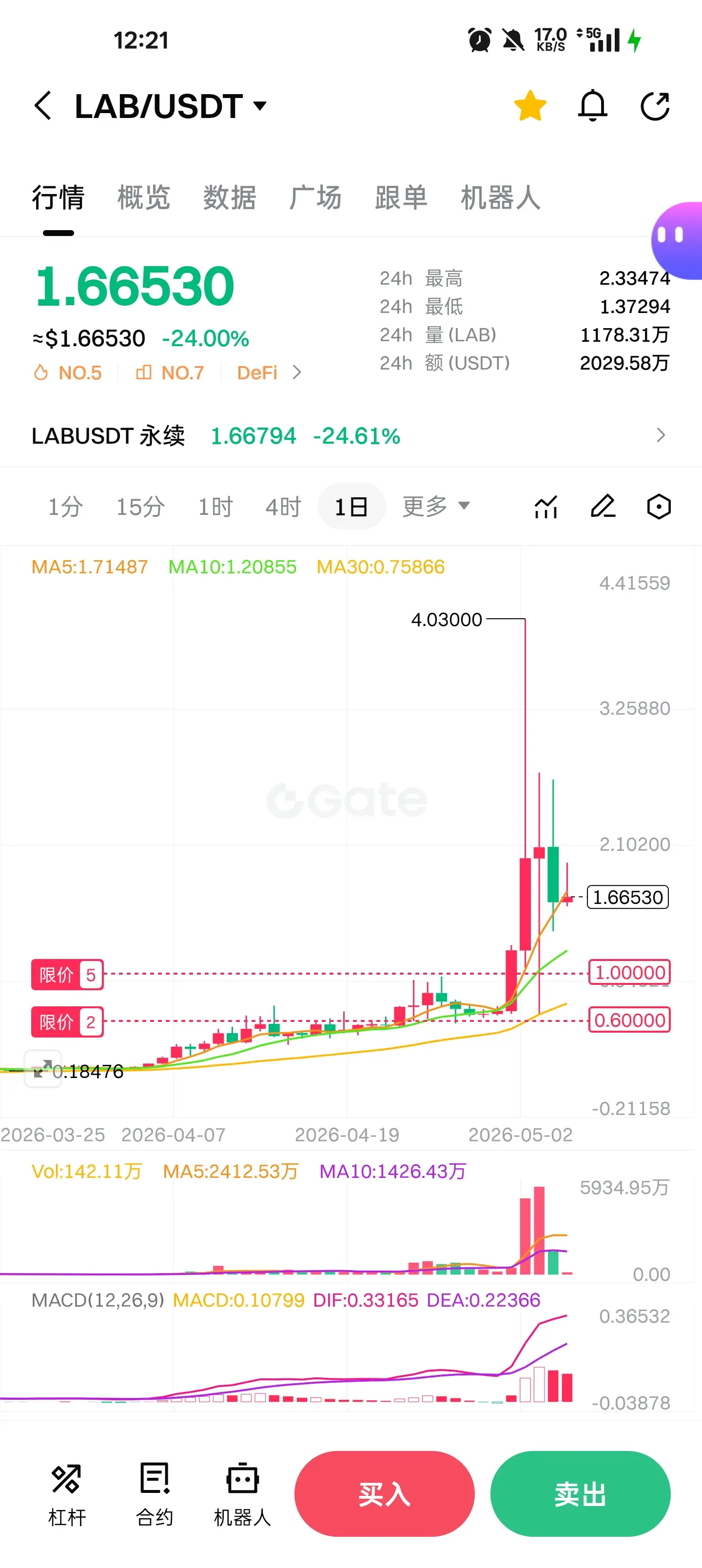
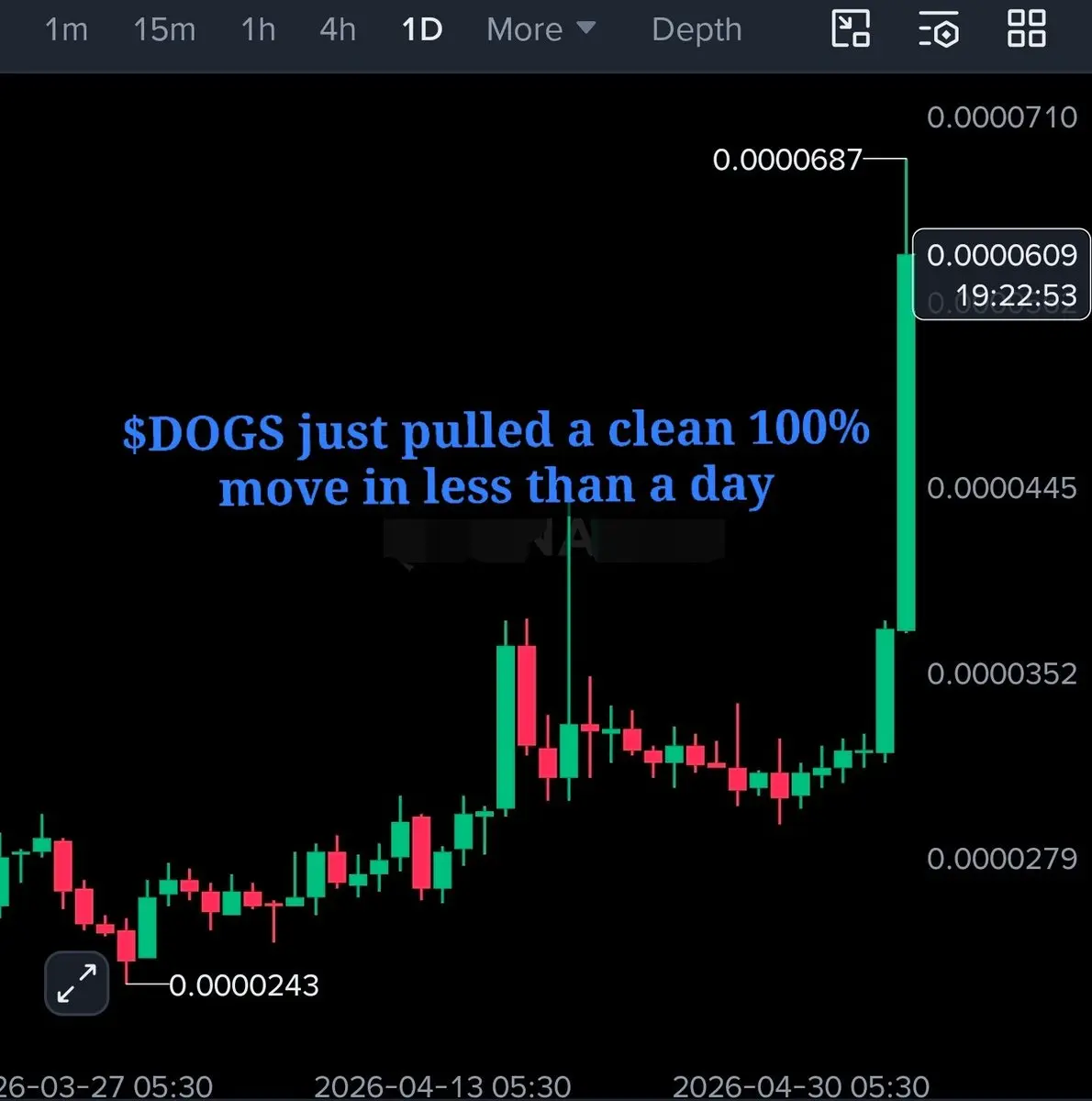
Experienced investors in the crypto space should have felt the rollercoaster of their accounts doubling in a day and then plunging from a high, with unrealized gains turning from adrenaline-pumping to zero as the market crashes. At such times, everyone exclaims, "Profit-taking is really important!" Today, let's discuss some tips for profit-taking.
1. Why is profit-taking more important than just making gains?
1. Unrealized gains are not real money
The paper profits from soaring coin prices are like castles in the sand, susceptible to being washed away by market waves before closing the position. During the 2023 LUNA collapse, those who didn't take profits in time lost over 99% of their assets in a single day.
2. Counteract human greed
Psychological studies show that investors' risk appetite increases when they are in profit. When Bitcoin rises from $30,000 to $60,000, most expect $100,000 but often miss the optimal exit point at $60,000.
3. Avoid black swan risks
The cryptocurrency market operates 24/7, and sudden policy regulations (such as China's 2021 mining ban) or exchange collapses (like the FTX incident) can trigger sharp declines within hours.
2. Five practical profit-taking techniques
Technique 1: Ladder-style dynamic profit-taking (suitable for trending markets)
A [Open position] --> B (Take profit at 20%, close 30%)
B --> C (Take profit at 50%, close 40%)
C --> D [Move stop-loss on remaining position]
Operational logic: Each time a profit threshold is surpassed, lock in part of the gains
Example: During Ethereum's rise from $1,800 to $3,000, you can reduce your position in three steps at $2,200 / $2,600 / $2,900.
Technique 2: Volatility anchoring method (suitable for high-volatility coins)
Calculation formula:
Profit-taking price = Entry price × (1 + 3×ATR)
(ATR: Average True Range, reflecting coin volatility)
Example: A certain altcoin has an ATR of 15%, with an entry price of $1, setting the first profit target at $1.45.
Technique 3: Technical structure-based profit-taking (requires basic analysis skills)
Pattern types: Double top/bottom
Trigger point: Breakthrough of the neckline
Pattern types: Ascending channel
Trigger point: Resistance at the upper band
Pattern types: RSI overbought zone
Trigger point: Daily RSI > 70
Technique 4: Sentiment contrarian profit-taking
Immediately reduce holdings when the following signals appear:
Exchange leverage borrowing rates spike
FOMO spreads in communities (e.g., "This time is different" comments flood)
Mainstream media start headlines about cryptocurrencies
Technique 5: Space-time balance law
Hold period vs profit-taking range table
Short-term (<3 days): 15%-30%
Swing (1-2 weeks): 30%-80%
Trend (>1 month): 100%+ + move stop-loss
3. Ultimate risk control framework
Three-tier position management
30% core position (trend holding)
30% tactical position (swing trading)
30% cash (for dips and rebuys)
Profit protection iron law
When unrealized gains exceed 50%, move the stop-loss line up to the cost price to ensure absolute safety of the principal
Crocodile rule insight: When profit retracement reaches 30%, immediately exit completely to avoid falling into the psychological trap of "profits turning into losses."
The profit-taking rules in crypto investing: The wisdom of locking in profits
Experienced investors in the crypto space should have felt the rollercoaster of their accounts doubling in a day and then plunging from a high, with unrealized gains turning from adrenaline-pumping to zero as the market crashes. At such times, everyone exclaims, "Profit-taking is really important!" Today, let's discuss some tips for profit-taking.
1. Why is profit-taking more important than just making gains?
1. Unrealized gains are not real money
The paper profits from soaring coin prices are like castles in the sand, susceptible to being washed away by market waves before closing the position. During the 2023 LUNA collapse, those who didn't take profits in time lost over 99% of their assets in a single day.
2. Counteract human greed
Psychological studies show that investors' risk appetite increases when they are in profit. When Bitcoin rises from $30,000 to $60,000, most expect $100,000 but often miss the optimal exit point at $60,000.
3. Avoid black swan risks
The cryptocurrency market operates 24/7, and sudden policy regulations (such as China's 2021 mining ban) or exchange collapses (like the FTX incident) can trigger sharp declines within hours.
2. Five practical profit-taking techniques
Technique 1: Ladder-style dynamic profit-taking (suitable for trending markets)
A [Open position] --> B (Take profit at 20%, close 30%)
B --> C (Take profit at 50%, close 40%)
C --> D [Move stop-loss on remaining position]
Operational logic: Each time a profit threshold is surpassed, lock in part of the gains
Example: During Ethereum's rise from $1,800 to $3,000, you can reduce your position in three steps at $2,200 / $2,600 / $2,900.
Technique 2: Volatility anchoring method (suitable for high-volatility coins)
Calculation formula:
Profit-taking price = Entry price × (1 + 3×ATR)
(ATR: Average True Range, reflecting coin volatility)
Example: A certain altcoin has an ATR of 15%, with an entry price of $1, setting the first profit target at $1.45.
Technique 3: Technical structure-based profit-taking (requires basic analysis skills)
Pattern types: Double top/bottom
Trigger point: Breakthrough of the neckline
Pattern types: Ascending channel
Trigger point: Resistance at the upper band
Pattern types: RSI overbought zone
Trigger point: Daily RSI > 70
Technique 4: Sentiment contrarian profit-taking
Immediately reduce holdings when the following signals appear:
Exchange leverage borrowing rates spike
FOMO spreads in communities (e.g., "This time is different" comments flood)
Mainstream media start headlines about cryptocurrencies
Technique 5: Space-time balance law
Hold period vs profit-taking range table
Short-term (<3 days): 15%-30%
Swing (1-2 weeks): 30%-80%
Trend (>1 month): 100%+ + move stop-loss
3. Ultimate risk control framework
Three-tier position management
30% core position (trend holding)
30% tactical position (swing trading)
30% cash (for dips and rebuys)
Profit protection iron law
When unrealized gains exceed 50%, move the stop-loss line up to the cost price to ensure absolute safety of the principal
Crocodile rule insight: When profit retracement reaches 30%, immediately exit completely to avoid falling into the psychological trap of "profits turning into losses."