


erc 1155
What Is ERC-1155?
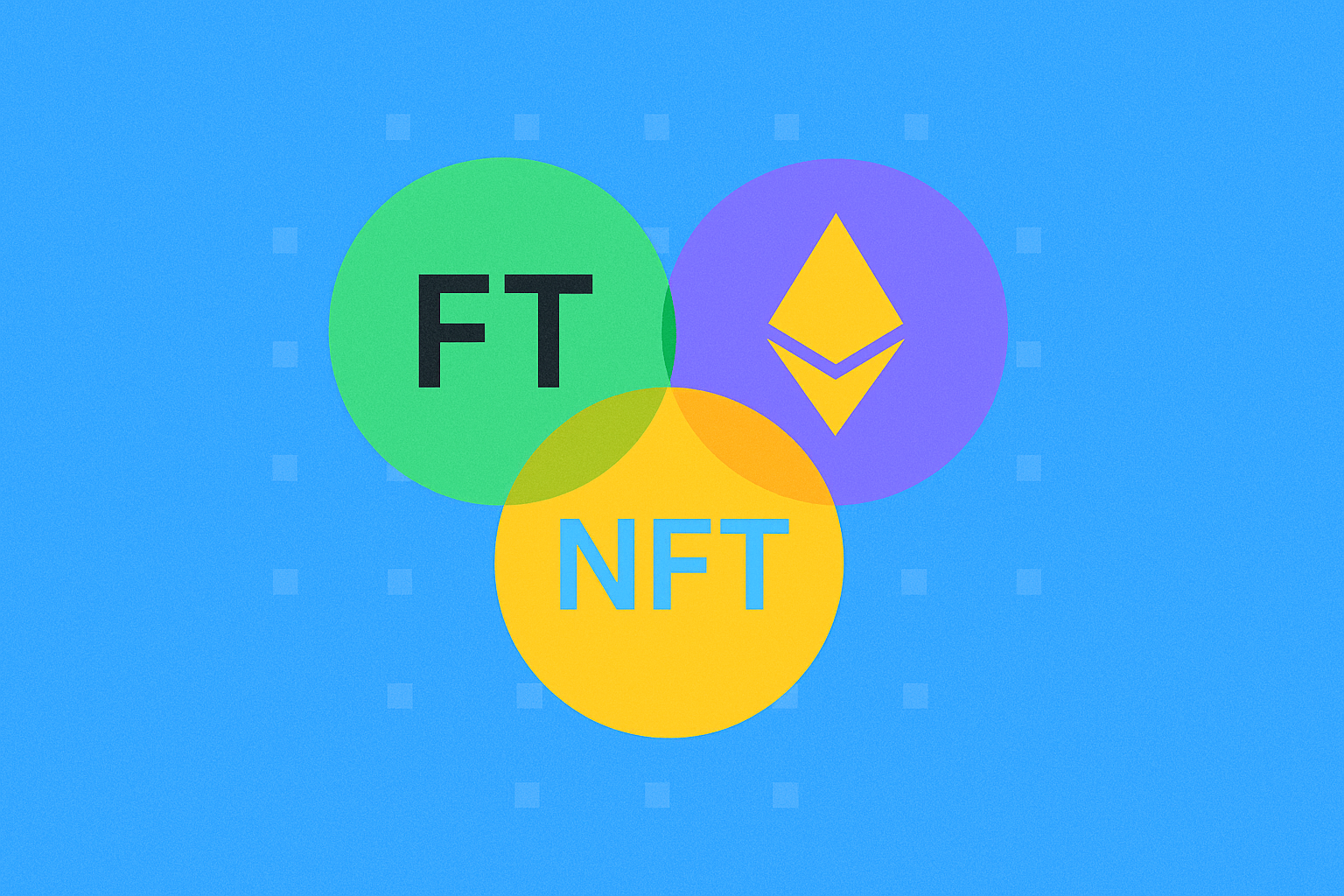
ERC-1155 is a token standard on Ethereum designed to manage multiple types of assets within a single smart contract. It supports both NFTs (non-fungible tokens) and FTs (fungible tokens), enabling batch operations and secure receiving mechanisms.
You can think of ERC-1155 as a “unified warehouse” where both divisible items (like coins, representing FTs) and unique items (such as rare weapons, representing NFTs) are stored together. Users can check balances, transfer, and authorize assets within the same contract, streamlining the entire process.
As of the second half of 2024, more games and NFT collections are adopting ERC-1155 to reduce deployment, transaction, and management costs.
How Does ERC-1155 Work?
ERC-1155 maintains a relationship between “address — token ID — balance” within a single contract and defines interfaces for querying, transferring, authorization, and event notifications.
Key interface functionalities include:
- Balance Query: Allows users to check the holdings of a specific asset by “address + ID” or batch query multiple IDs at once.
- Authorization: Enables users to grant an “operator” permission to manage all IDs under the contract in a single action, avoiding the need to authorize each token individually.
- Transfer: Supports both single-ID transfers and batch transfers of multiple IDs.
The safe receiving callback is a key security feature. When tokens are sent to another contract address, the ERC-1155 contract checks if the recipient implements the “receiving callback” interface. The transfer only completes if the callback confirms that it can handle the tokens, preventing tokens from being lost or sent to incompatible contracts.
The metadata URI describes token details such as name, image, and attributes. ERC-1155 allows different IDs to have unique metadata URIs, accommodating both the uniqueness of NFTs and the standardization of FTs.
How Does ERC-1155 Support Both NFTs and FTs?
ERC-1155 unifies NFT and FT management through the concept of “token IDs.” One ID might represent a fungible, stackable asset (like coins, with a numeric balance), while another ID can represent a unique NFT (like a rare weapon limited to one copy, with a balance of either 1 or 0).
Within the same contract:
- FT-type IDs typically have a large total supply, and user balances are integer amounts.
- NFT-type IDs usually have a total supply of 1 (or very few), and user balances are either 0 or 1.
This approach means project teams don’t need to deploy separate ERC-20 contracts for FTs and ERC-721 contracts for NFTs to manage various asset types within a shared ecosystem. Maintenance costs and operational complexity are significantly reduced.
How Is ERC-1155 Used in Games and the Metaverse?
The most common use case for ERC-1155 is managing multiple in-game items within a single contract: coins, potions, and tickets as FTs; rare skins and unique mounts as NFTs. Players can sell multiple items at once on marketplaces, while platforms can settle multiple IDs in a single transaction.
For example, event tickets: a single event may have regular tickets (FTs, thousands in supply) and commemorative tickets (NFTs, each with unique artwork). ERC-1155 manages both ticket types under one contract, making issuance, transfer, and validation smoother.
In metaverse scenarios, land fragments (FTs) and individual land plots (NFTs) can coexist within one contract. Creators often issue limited editions as NFTs and standard editions as FTs to optimize management and trading efficiency.
What Are the Gas and Batch Transfer Advantages of ERC-1155?
ERC-1155 excels at consolidating multiple operations. Batch transfers allow multiple IDs to be transferred in a single transaction, reducing the number of blockchain interactions and saving on storage read/write costs. Unified authorization further cuts down on overhead from repeated approvals.
In practice:
- Project teams save on deployment: a single contract manages multiple asset types without requiring separate deployments for each.
- Users save on interaction costs: one transaction can handle the transfer or settlement of various items, often resulting in lower gas fees than performing each action separately.
How Does ERC-1155 Compare With ERC-721 and ERC-20?
The main difference between ERC-1155 and standards like ERC-721 or ERC-20 lies in how contracts organize assets. ERC-20 only manages one FT; ERC-721 only manages one NFT; ERC-1155 can manage multiple FTs and NFTs within one contract.
Key comparisons:
- Deployment & Maintenance: One ERC-1155 contract can cover multiple assets; ERC-20 and ERC-721 typically require one contract per asset.
- Transaction Efficiency: ERC-1155 supports batch transfers and unified authorization—ideal for frequent settlements; ERC-721 and ERC-20 generally need multiple transactions.
- Use Cases: ERC-20 is tailored for fungible tokens like currencies or points; ERC-721 is suited for single NFT collections; ERC-1155 is best for multi-asset projects such as games or NFT series.
How to Issue ERC-1155 Assets on Gate?
Within the Gate ecosystem, project teams typically deploy their contracts on supported chains first, then connect them with the platform’s NFT and asset management systems. The common steps are:
Step 1: Choose Chain & Plan IDs. Decide whether to issue on Ethereum or compatible chains, assigning token IDs for each item type; clarify which are FTs and which are NFTs.
Step 2: Develop & Audit Contracts. Implement the ERC-1155 interface, metadata URI functionality, and safe receiving callback; conduct security audits to minimize contract vulnerability risks.
Step 3: Test & Mint. Verify batch transfers, authorization processes, and metadata display on testnets before minting initial supplies for each ID on mainnet as planned.
Step 4: Listing & Platform Support. List asset series on Gate’s NFT features or activity zones. Submit contract addresses and metadata per platform guidelines to ensure correct display and trading functionality (follow platform announcements and procedures).
Step 5: Deposit & Settlement. When users deposit or trade on Gate, follow supported chain/standard guidelines; for batch transactions, ensure accurate quantity and pricing settlement for each ID.
What Risks Should You Be Aware of When Using ERC-1155?
First is authorization risk. With ERC-1155’s “unified authorization,” granting an operator permission to manage all your IDs could result in loss of multiple assets if the operator is untrustworthy. Only authorize reputable applications and regularly review or revoke unnecessary approvals in your wallet.
Second is contract and metadata risk. Unaudited or vulnerable contracts may be exploited; if metadata URIs rely on centralized servers that go offline, asset displays may fail. Use reliable storage solutions and conduct thorough testing/audits.
Third is compatibility and recipient support. Not all contracts or platforms implement the ERC-1155 receiving callback correctly; unsupported recipients may cause failed transfers or unrecognized assets. Confirm that recipient addresses support ERC-1155 before sending assets.
Finally, there are operational and settlement risks. While batch operations save gas fees, handling multiple IDs simultaneously increases the risk of errors in quantity, price, or ID selection. Always test with small transactions before large-scale batch operations to avoid costly mistakes.
Overall, ERC-1155 unifies NFTs and FTs into a single framework through multi-asset contracts, batch operations, and secure callbacks. It delivers flexibility and efficiency for games, collections, and marketplaces—but requires strict attention to authorization, contract integrity, and compatibility to ensure security and compliance.
FAQ
Is There a Significant Difference in Transfer Efficiency Between ERC-1155 and ERC-721?
Yes—ERC-1155 supports batch transfers, allowing multiple tokens to be sent in a single transaction. In contrast, ERC-721 requires individual transfers for each token. This makes ERC-1155 more gas-efficient and faster for high-frequency asset trading scenarios like gaming. If you frequently handle bulk digital asset operations, ERC-1155’s efficiency will help you save on costs.
How Can I Tell if My On-chain Asset Is an ERC-1155 Token?
You can inspect the contract code on a block explorer—ERC-1155 contracts implement standard interfaces like safeTransferFrom and safeBatchTransferFrom. An easier method is to check asset details in your wallet or review token information pages on platforms like Gate. When in doubt, ask the issuer or community for clarification.
Can ERC-1155 Represent Thousands of Different Assets at Once?
Yes—this is one of ERC-1155’s core strengths. A single ERC-1155 contract can manage many different token IDs, each representing a distinct asset (either an NFT or FT). This design enables games, metaverses, and similar applications to issue items like equipment, skins, or points from one contract—greatly reducing asset management complexity.
How Does ERC-1155 Handle Cross-chain Compatibility?
ERC-1155 is an Ethereum-native standard that also works natively with compatible chains such as Polygon or Arbitrum. For cross-chain transfers, bridge services are used to map and move assets across networks. Always consider bridge security and liquidity when choosing cross-chain solutions—platforms like Gate typically integrate leading bridges for seamless access.
Why Is Issuing Assets With ERC-1155 More Cost-effective Than Deploying Separate ERC-20 and ERC-721 Contracts?
Traditional approaches require separate ERC-20 contracts for FTs and separate ERC-721 contracts for NFTs—multiplying deployment costs and ongoing maintenance burdens. With one unified contract, ERC-1155 reduces deployment expenses by over 50% while also lowering smart contract audit and upgrade costs. For projects needing multiple asset types, this delivers clear economic advantages.
Related Articles
Top 10 NFT Data Platforms Overview

7 Analysis Tools for Understanding NFTs
