

Trade
Trading Type
Spot
Trade crypto freely
Pre-Market
Trade new tokens before they are officially listed
Margin
Magnify your profit with leverage
Convert & Block Trading
0 Fees
Trade any size with no fees and no slippage
Alpha
Points
Get promising tokens in streamlined on-chain trading
Leveraged Tokens
Get exposure to leveraged positions simply
Futures
Futures
Hundreds of contracts settled in USDT or BTC
Options
HOT
Trade European-style vanilla options
Unified Account
Maximize your capital efficiency
Demo Trading
Futures Kickoff
Get prepared for your futures trading
Futures Events
Participate in events to win generous rewards
Demo Trading
Use virtual funds to experience risk-free trading
Earn
Launch
CandyDrop
Collect candies to earn airdrops
Launchpool
Quick staking, earn potential new tokens
HODLer Airdrop
Hold GT and get massive airdrops for free
Launchpad
Be early to the next big token project
Alpha Points
NEW
Trade on-chain assets and enjoy airdrop rewards!
Futures Points
NEW
Earn futures points and claim airdrop rewards
Investment
Simple Earn
Earn interests with idle tokens
Auto-Invest
Auto-invest on a regular basis
Dual Investment
Buy low and sell high to take profits from price fluctuations
Soft Staking
Earn rewards with flexible staking
Crypto Loan
0 Fees
Pledge one crypto to borrow another
Lending Center
One-stop lending hub
VIP Wealth Hub
Customized wealth management empowers your assets growth
Private Wealth Management
Customized asset management to grow your digital assets
Quant Fund
Top asset management team helps you profit without hassle
Staking
Stake cryptos to earn in PoS products
Smart Leverage
NEW
No forced liquidation before maturity, worry-free leveraged gains
GUSD Minting
Use USDT/USDC to mint GUSD for treasury-level yields


More
Promotions
Activity Center
Join activities and win big cash prizes and exclusive merch
Referral
20 USDT
Earn 40% commission or up to 500 USDT rewards
Announcements
Announcements of new listings, activities, upgrades, etc
Gate Blog
Crypto industry articles
VIP Services
Huge fee discounts
Proof of Reserves
Gate promises 100% proof of reserves



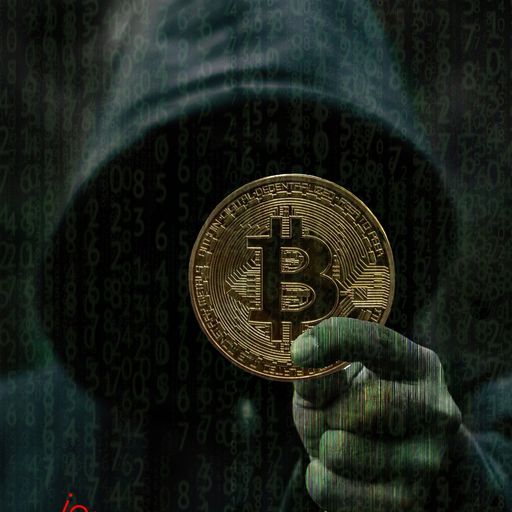


Calm Analysis: The Truth and Response in Market Panic
Brothers, don’t panic yet! The "blood flowing in the streets" in the live stream sounds scary, but we need to break down the facts:
1. Liquidation Data Is Seriously Exaggerated
According to the latest Coinglass data, the actual total liquidations across the entire network in the past 24 hours are $64.93 million, not 500 million. Longs were liquidated for $20.72 million, shorts for $44.21 million. Although unfortunate, it’s far from a "chain liquidation." When big events happen in crypto, we’ve seen liquidations of over a billion in a single day. The current scale of liquidations indicates leverage risk is being released in an orderly manner, not a systemic collapse.
2. BTC Price Is Not a "Flash Crash"
BTC is currently around $87,000, down about 31% from its all-time high, which is only a moderate correction in the crypto market. The 70% drop in the 2022 bear market has already happened; it’s premature to call this a "crash." The key is whether the support zone at $82,000–$85,000 can hold. Holding that means a healthy bull rebound.
3. Gold and Silver Hit New Records, But the Logic Is Different
Gold broke through $4,500/oz (up 70% this year), silver hit $75/oz (up 150% this year)—these are facts. But the driving factors are not "collapse of faith in paper money," but:
• Clear Fed rate cut cycle
• Dollar index falling below 98
• Global central banks increasing gold reserves for the third consecutive year
• Industrial demand (photovoltaics, new energy) boosting silver
This is normal risk aversion + industrial logic, not doomsday.
4. The "Trillion-Dollar Evaporation" of AI Stocks Is a Misinterpretation
Nvidia’s actual stock price in 2025 is up 36%, now at $188. The so-called "evaporation of a trillion in two days" might be a retracement in some periods, but its annual performance remains strong. Goldman Sachs indeed warned about a surge in tech debt, but that’s about debt risk, not an AI bubble burst. OpenAI’s losses are real, but burning money during the tech investment phase is normal; Microsoft went through this too.
5. Raw Material Price Surge Is Real
Lithium battery materials have indeed surged:
• Lithium hexafluorophosphate: 55,000 → 120,000/ton (+118%)
• Cobalt lithium: 140,000 → 350,000/ton (+150%)
But this is mainly due to supply-demand mismatch: explosive growth in new energy vehicles and energy storage, while lithium mining capacity takes a long time to expand. This is a structural opportunity, not a sign of broad inflation.
Replaying 2008? Don’t scare yourself
Similarities: high leverage, asset correction
Differences:
• Bank capital adequacy ratio 13% vs 4% in 2008 (vastly different risk resilience)
• Crypto market size less than 1/10 of US stocks, Lehman moment unlikely here
• The Fed has ample policy tools, not caught off guard like in 2008
What to do? Four rational steps
1️⃣ Deleveraging: Keep futures positions within 20%, avoid gambling with 50x leverage or more
2️⃣ Adjust holdings: Sell altcoins without fundamentals, keep core positions in BTC/ETH
3️⃣ Hedge: Allocate 10-15% to gold ETFs or physical gold, not for doomsday survival but to smooth volatility
4️⃣ Keep bullets: Reserve 30% cash; opportunities come from dips. If BTC drops below 80K after breaking 86K, it’s a golden opportunity
Elon Musk’s $38 trillion debt warning is a long-term risk, not an imminent explosion. His core view is "energy-based theory"—more like supporting Tesla’s energy business. But to be honest, US debt issues are a big minefield, though the trigger is unlikely to be in crypto.
Interaction topic: Do you think this correction will stabilize at which level? 80K, 75K, or 70K? Comment your bet, and the brother who guesses right will get a coffee next time we have a big dip! Don’t forget to like and share to let more folks see the real data and avoid panic-driven moves! #比特币与黄金战争 $BTC