

Trade
Trading Type
Spot
Trade crypto freely
Pre-Market
Trade new tokens before they are officially listed
Margin
Magnify your profit with leverage
Convert & Block Trading
0 Fees
Trade any size with no fees and no slippage
Alpha
Points
Get promising tokens in streamlined on-chain trading
Leveraged Tokens
Get exposure to leveraged positions simply
Futures
Futures
Hundreds of contracts settled in USDT or BTC
Options
HOT
Trade European-style vanilla options
Unified Account
Maximize your capital efficiency
Demo Trading
Futures Kickoff
Get prepared for your futures trading
Futures Events
Participate in events to win generous rewards
Demo Trading
Use virtual funds to experience risk-free trading
Earn
Launch
CandyDrop
Collect candies to earn airdrops
Launchpool
Quick staking, earn potential new tokens
HODLer Airdrop
Hold GT and get massive airdrops for free
Launchpad
Be early to the next big token project
Alpha Points
NEW
Trade on-chain assets and enjoy airdrop rewards!
Futures Points
NEW
Earn futures points and claim airdrop rewards
Investment
Simple Earn
Earn interests with idle tokens
Auto-Invest
Auto-invest on a regular basis
Dual Investment
Buy low and sell high to take profits from price fluctuations
Soft Staking
Earn rewards with flexible staking
Crypto Loan
0 Fees
Pledge one crypto to borrow another
Lending Center
One-stop lending hub
VIP Wealth Hub
Customized wealth management empowers your assets growth
Private Wealth Management
Customized asset management to grow your digital assets
Quant Fund
Top asset management team helps you profit without hassle
Staking
Stake cryptos to earn in PoS products
Smart Leverage
NEW
No forced liquidation before maturity, worry-free leveraged gains
GUSD Minting
Use USDT/USDC to mint GUSD for treasury-level yields


More
Promotions
Activity Center
Join activities and win big cash prizes and exclusive merch
Referral
20 USDT
Earn 40% commission or up to 500 USDT rewards
Announcements
Announcements of new listings, activities, upgrades, etc
Gate Blog
Crypto industry articles
VIP Services
Huge fee discounts
Proof of Reserves
Gate promises 100% proof of reserves


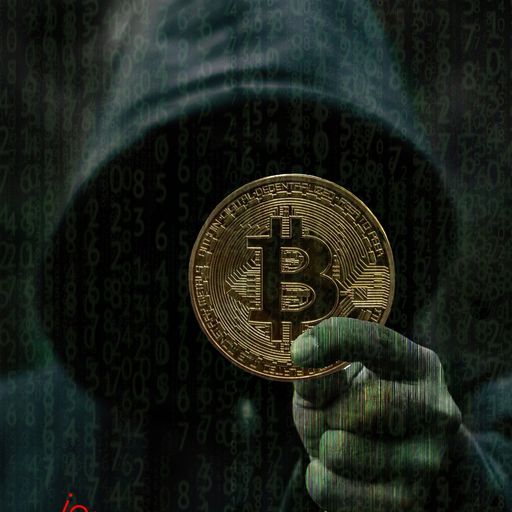


The 5000U in my account flickered on the screen, and my hands had long gone cold. A few months ago, there were two zeros behind that number, but repeated misjudgments and consecutive liquidations wiped out hundreds of thousands of dollars. I still remember the numbness from that period—daring not to place orders, sleep became a luxury, and I didn't even dare to look at the pop-up alerts for market updates. The market is like a gold-eating beast, devouring not only funds but also confidence.
The turning point came from a decision: survive, only then can I have a chance to turn things around.
At first, like most people, I chased the dream of "hundredfold coins" on the screen. Whatever project was hot, I threw myself into it, listening to rumors and following the hype. And what was the result? I became a repeatedly harvested leek. Until one late night, I realized a cruel truth—there is no shortage of opportunities in the crypto world; what is truly lacking is focus.
I made a change and decided to go all-in on ETH. Not for any grand reason, but a very practical consideration: I had already spent hundreds of hours observing it, understanding every key level and the temperament behind every sharp move. Why re-learn everything?
Technical analysis changes were also crucial. I abandoned those complex indicator stacks and returned to the simplest price action analysis. I watched the weekly, daily, and 4-hour charts every day, repeatedly marking support and resistance levels that had been tested over and over. Over time, a pattern gradually emerged: before a real move, there’s often a "false move." First, a break below support triggers panic selling, then a quick rebound. That’s the window to intervene.
Liquidity is another layer of market logic. I started to deeply observe the order books on exchanges, understanding how areas with weak liquidity become the preferred zones for "pokes." Through accumulated observation, I could roughly judge which levels are most likely to become tight stop-loss zones and where the market might generate panic. Once you understand this, many seemingly "strange" movements become predictable.
Adjusting my mindset was equally important. I used to be easily caught up in short-term fluctuations—just a 4-hour dip could make me break out in cold sweat. Now, I’ve learned to look at things from a higher timeframe—what’s the trend on the weekly chart? Where is the support on the monthly level? Using this framework to filter trading opportunities allows me to respond more calmly to intraday noise.
From 5000U to 500,000U, without all-in bets or crazy profits, I’ve been slowly accumulating through repeated observation, trial and error, and adjustments. Every take-profit is partial, letting profits stay in the market to run. Risk management is never about hindsight; it’s about calculating the worst-case scenario before each order.
Looking back, the real change isn’t in the technicals or luck, but in attitude. That’s how the crypto world is—only those who survive have the right to talk about output.