

Trade
Trading Type
Spot
Trade crypto freely
Pre-Market
Trade new tokens before they are officially listed
Margin
Magnify your profit with leverage
Convert & Block Trading
0 Fees
Trade any size with no fees and no slippage
Alpha
Points
Get promising tokens in streamlined on-chain trading
Leveraged Tokens
Get exposure to leveraged positions simply
Futures
Futures
Hundreds of contracts settled in USDT or BTC
Options
HOT
Trade European-style vanilla options
Unified Account
Maximize your capital efficiency
Demo Trading
Futures Kickoff
Get prepared for your futures trading
Futures Events
Participate in events to win generous rewards
Demo Trading
Use virtual funds to experience risk-free trading
Earn
Launch
CandyDrop
Collect candies to earn airdrops
Launchpool
Quick staking, earn potential new tokens
HODLer Airdrop
Hold GT and get massive airdrops for free
Launchpad
Be early to the next big token project
Alpha Points
NEW
Trade on-chain assets and enjoy airdrop rewards!
Futures Points
NEW
Earn futures points and claim airdrop rewards
Investment
Simple Earn
Earn interests with idle tokens
Auto-Invest
Auto-invest on a regular basis
Dual Investment
Buy low and sell high to take profits from price fluctuations
Soft Staking
Earn rewards with flexible staking
Crypto Loan
0 Fees
Pledge one crypto to borrow another
Lending Center
One-stop lending hub
VIP Wealth Hub
Customized wealth management empowers your assets growth
Private Wealth Management
Customized asset management to grow your digital assets
Quant Fund
Top asset management team helps you profit without hassle
Staking
Stake cryptos to earn in PoS products
Smart Leverage
NEW
No forced liquidation before maturity, worry-free leveraged gains
GUSD Minting
Use USDT/USDC to mint GUSD for treasury-level yields


More
Promotions
Activity Center
Join activities and win big cash prizes and exclusive merch
Referral
20 USDT
Earn 40% commission or up to 500 USDT rewards
Announcements
Announcements of new listings, activities, upgrades, etc
Gate Blog
Crypto industry articles
VIP Services
Huge fee discounts
Proof of Reserves
Gate promises 100% proof of reserves



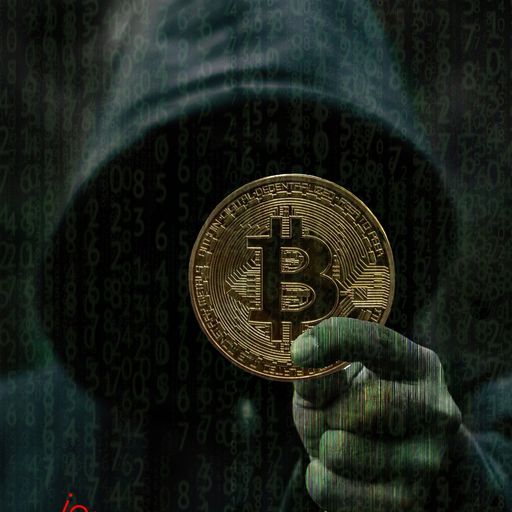


In 2025, a confrontation over value storage is unfolding. On one side is Bitcoin's digital scarcity, and on the other is the tangible security of tokenized gold promises. Both tracks have their supporters, and choosing the right direction can indeed save a lot of detours.
First, let's look at the logic of tokenized gold. Physical gold is anchored 1:1 to on-chain assets, with liquidity and stability far surpassing traditional gold bars. Free division, instant settlement—completely breaking the geographical and logistical constraints on gold circulation. It sounds perfect, but there are pitfalls—counterparty risk always exists, and centralized custody means your assets are still essentially in someone else's control. This is hard to bypass.
Now, look at Bitcoin. The absolute scarcity of 21 million coins is a hard constraint, with no intermediaries, truly achieving decentralization. Global, instant transfers, with institutional investors' holdings reaching new highs. But its high volatility is also a reality—that's enough to deter risk-averse investors.
This topic has been discussed many times. The debate between CZ and Peter Schiff once sparked heated discussion—one side insists that digital scarcity guarantees value through code, while the other trusts physical assets as the underlying anchor. Both philosophies are convincing, but ultimately point to different risk preferences and trust assumptions.
Ultimately, the choice comes down to asking yourself: do you value the explosive potential of digital assets more, or the stability of traditional precious metals after digitization? This judgment determines your subsequent asset allocation direction.