

Trade
Trading Type
Spot
Trade crypto freely
Pre-Market
Trade new tokens before they are officially listed
Margin
Magnify your profit with leverage
Convert & Block Trading
0 Fees
Trade any size with no fees and no slippage
Alpha
Points
Get promising tokens in streamlined on-chain trading
Leveraged Tokens
Get exposure to leveraged positions simply
Futures
Futures
Hundreds of contracts settled in USDT or BTC
Options
HOT
Trade European-style vanilla options
Unified Account
Maximize your capital efficiency
Demo Trading
Futures Kickoff
Get prepared for your futures trading
Futures Events
Participate in events to win generous rewards
Demo Trading
Use virtual funds to experience risk-free trading
Earn
Launch
CandyDrop
Collect candies to earn airdrops
Launchpool
Quick staking, earn potential new tokens
HODLer Airdrop
Hold GT and get massive airdrops for free
Launchpad
Be early to the next big token project
Alpha Points
NEW
Trade on-chain assets and enjoy airdrop rewards!
Futures Points
NEW
Earn futures points and claim airdrop rewards
Investment
Simple Earn
Earn interests with idle tokens
Auto-Invest
Auto-invest on a regular basis
Dual Investment
Buy low and sell high to take profits from price fluctuations
Soft Staking
Earn rewards with flexible staking
Crypto Loan
0 Fees
Pledge one crypto to borrow another
Lending Center
One-stop lending hub
VIP Wealth Hub
Customized wealth management empowers your assets growth
Private Wealth Management
Customized asset management to grow your digital assets
Quant Fund
Top asset management team helps you profit without hassle
Staking
Stake cryptos to earn in PoS products
Smart Leverage
NEW
No forced liquidation before maturity, worry-free leveraged gains
GUSD Minting
Use USDT/USDC to mint GUSD for treasury-level yields


More
Promotions
Activity Center
Join activities and win big cash prizes and exclusive merch
Referral
20 USDT
Earn 40% commission or up to 500 USDT rewards
Announcements
Announcements of new listings, activities, upgrades, etc
Gate Blog
Crypto industry articles
VIP Services
Huge fee discounts
Proof of Reserves
Gate promises 100% proof of reserves



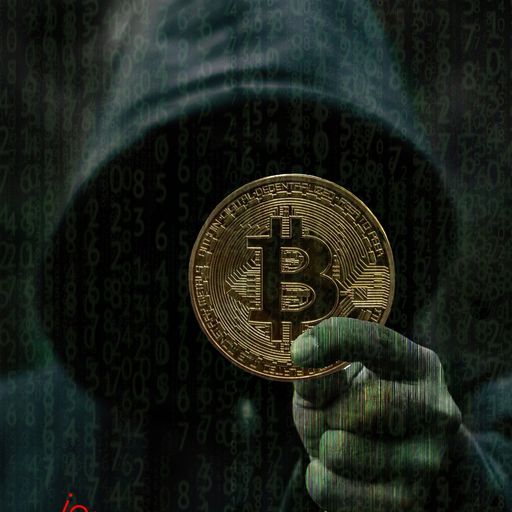


#预测市场 After reading this analysis about the risks of market manipulation, my first reaction is: I am too familiar with this routine.
Changing names, changing tracks, the logic of manipulation has never changed. In 2004, German parties collectively betting on election markets; in 2012, Romney’s mysterious large orders; in 2024, French investors heavily pumping on Polymarket—basically, using funds to pile up false signals, misleading uninformed people to follow and buy in. These tactics have been seen countless times on-chain, just with tokens, DAOs, and oracles replacing traditional instruments.
The most heartbreaking point is that the power of market manipulation lies not in what it can change, but in its ability to destroy trust. Even if it’s ultimately proven that the manipulation had no impact on the votes, once the suspicion of being manipulated is planted, the entire system’s credibility collapses. That’s the real destructive force—more deadly than directly changing the outcome.
The article highlights a key issue: low-liquidity markets are hotbeds for manipulation, while high-liquidity markets can self-correct. This is very important for us when choosing projects on-chain. Small tokens and trading pairs with only a few thousand dollars in daily volume can be easily dumped by a big holder, or pumped by rumors—because liquidity is dead. Conversely, truly valuable projects must have a sufficiently active trading ecosystem—that’s a natural anti-manipulation mechanism.
The final advice for policymakers is worth pondering: disclosure rules and transparency in regulation are the baseline. We lack this layer of protection on-chain, so we must be more vigilant—watching for trading concentration, account relationships, and the timing patterns of large orders. These are signals for identifying manipulation. In any market, the key to longevity is learning to see through these routines.